10 Underrated Games You Should Play in 2025
This article does not contain any significant spoilers.
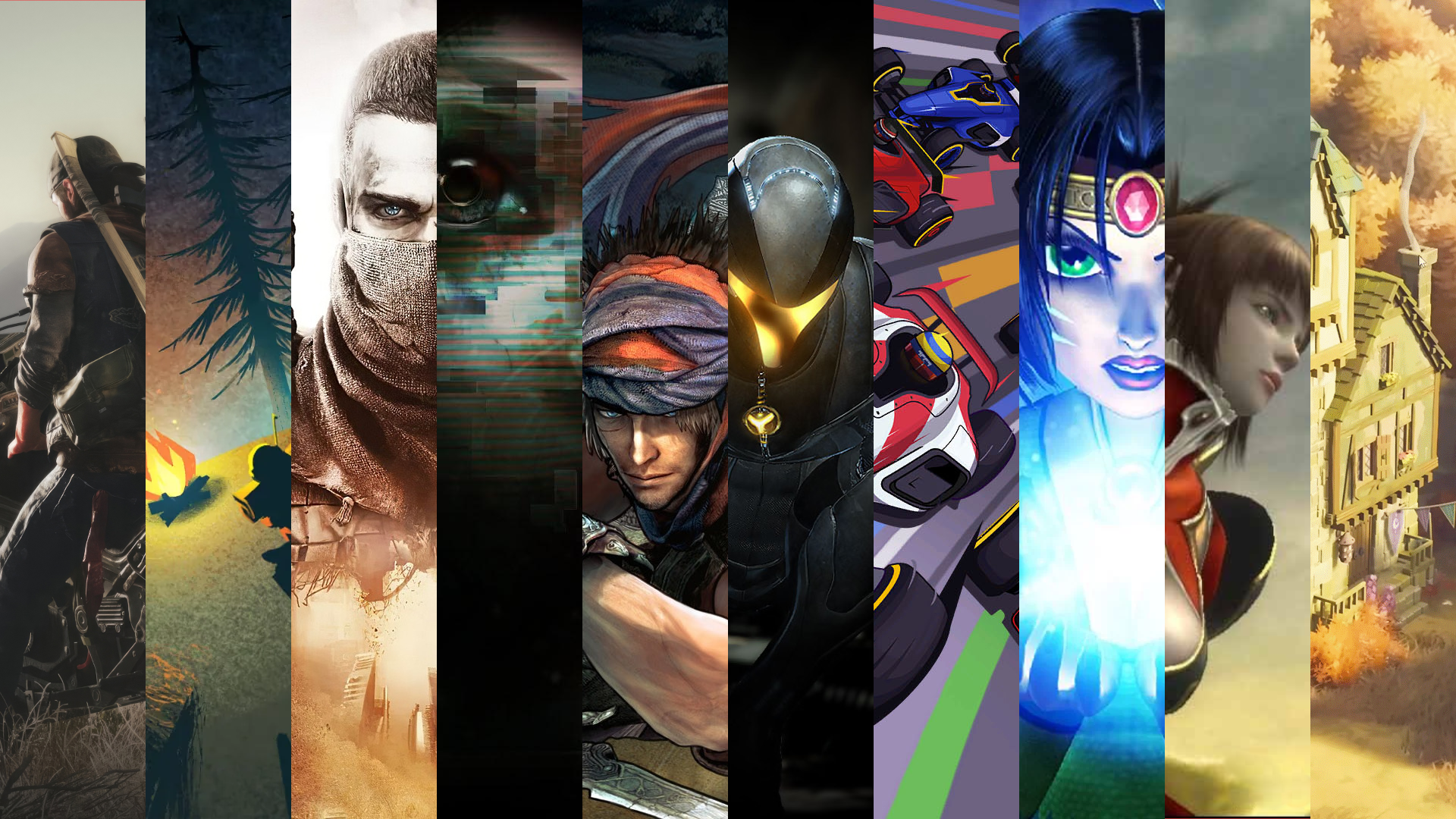
From titles that received mixed reviews, flew under the radar, or simply never found their audience, this list covers ten underrated games that are most definitely still worth playing in the current year, and have much more to offer than what their reputation initially let on.
Days Gone

Release Date: 2019
Platforms: PC, PlayStation 4/5
Days Gone received mixed reviews upon release but has since gained a cult following. This 2019 action-adventure game from Bend Studio follows former outlaw biker Deacon St. John as he searches for his wife Sarah in post-apocalyptic Oregon, where a pandemic has turned humanity into “Freakers”.
The game’s horde system features massive groups of 50 to 500 Freakers that behave like a living, breathing swarm, with individual AI that creates emergent behaviors. Players must study horde patterns, set up elaborate traps and ambushes, and use the environment strategically to survive encounters. The first time you stumble upon a horde while exploring is genuinely terrifying, but as you progress, taking on these massive groups becomes a thrilling challenge to seek out on your own terms.
The game gives players remarkable agency in how they approach challenges. You can tackle situations through stealth, direct combat, or environmental manipulation. The motorcycle requires fuel management and upgrades that make exploration feel meaningful rather than trivial.
Despite its commercial success, Days Gone never received a sequel. While it was widely believed that Sony rejected the sequel pitch, Bend Studio never actually pitched the sequel to Sony. The studio’s leadership reportedly assumed Sony would reject it and stopped development internally, never giving Sony the opportunity to make a decision.
The game’s reputation has improved significantly over time, with many players discovering it through PlayStation Plus or sales. In 2025, Sony even released a remastered version for PlayStation 5, acknowledging its growing cult status.
Outer Wilds
Release Date: 2019
Platforms: PC, PlayStation 4/5, Xbox Series X/S, Nintendo Switch
(Not to be confused with Outer Worlds)
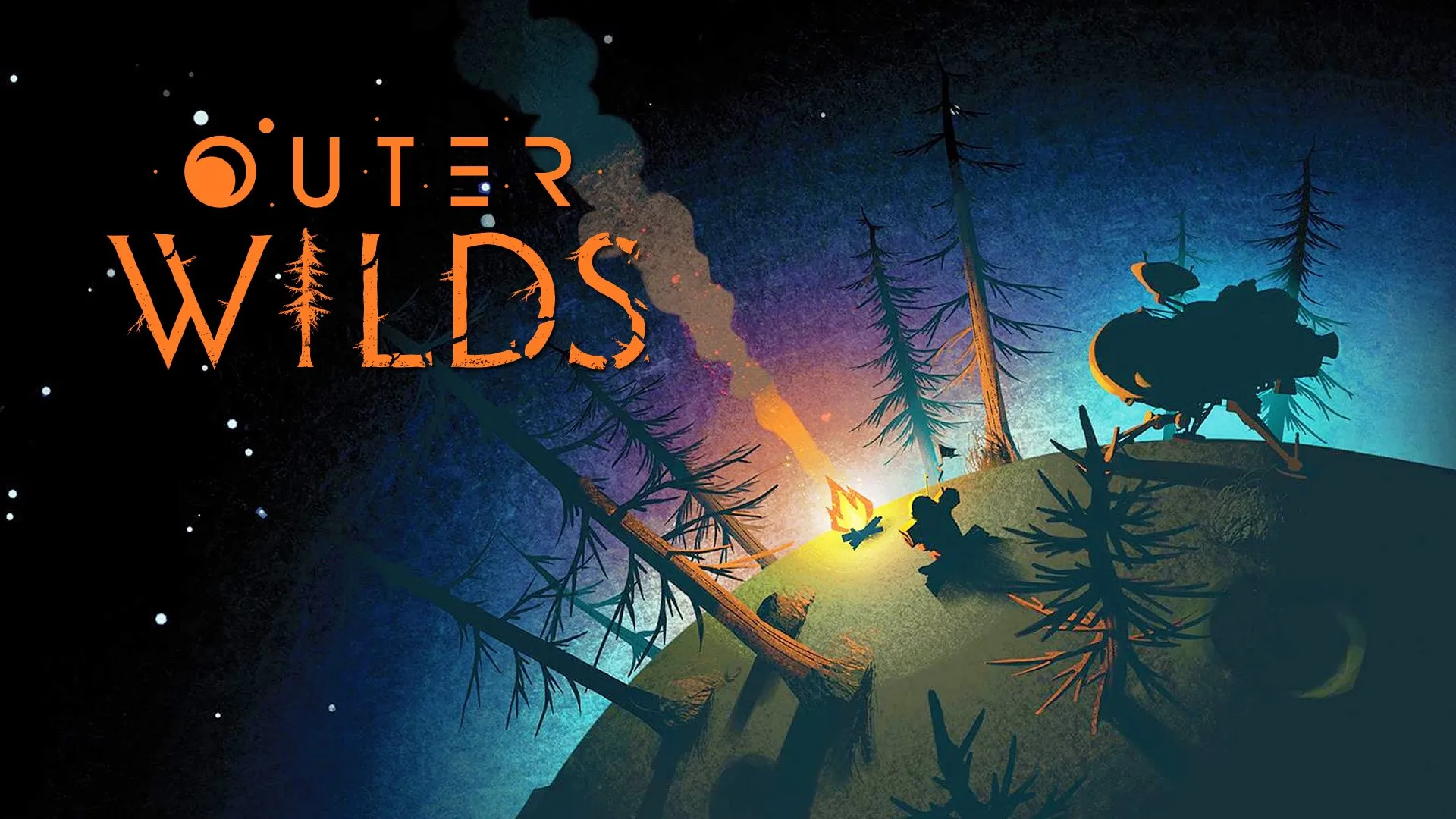
This game was recommended by Theo Browne while it was on sale in June 2025, and since he tends to hit the mark with web tech recommendations, I decided to give it a shot. It really does turn out that this is the kind of game you’ll enjoy more the less you know going into it, so I’ll try to cover more out-of-game aspects instead.
Outer Wilds is a 2019 game developed by Mobius Digital that fundamentally reimagines what progress means in a video game. It began as Alex Beachum’s master’s thesis at USC in 2012, inspired by his love of space exploration, which won awards at the 2015 Independent Games Festival, and then picked up by Annapurna Interactive.
The game won multiple awards including Best Game at the 16th British Academy Games Awards and has been featured on numerous “best games of all time” lists. However, many players bounce off initially due to unconventional controls or lack of clear objectives - the game requires patience and curiosity.
Outer Wilds is the kind of game that can only be experienced once. Once you know how it works, you can never recapture that initial sense of discovery and wonder. It rewards going in blind, taking notes, and letting your curiosity guide you. For players willing to embrace its unique approach, it offers one of the most memorable experiences in gaming.
Spec Ops: The Line
Release Date: 2012
Platforms: PC, PlayStation 3, Xbox 360
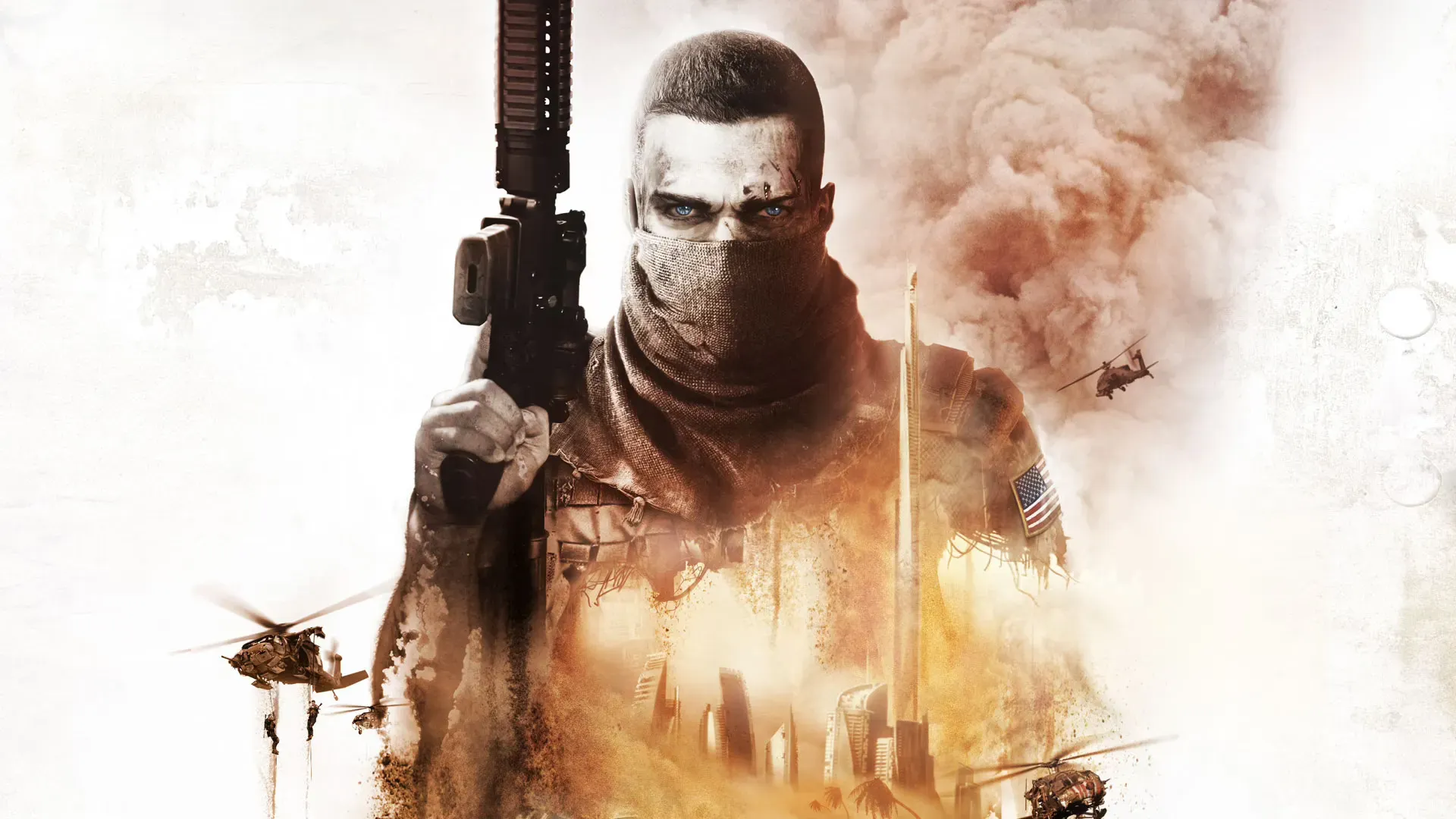
Spec Ops: The Line is perhaps the most misunderstood game of the 2010s, and that misunderstanding is exactly why it deserves a place on this list. Released in 2012 during the peak of military shooter popularity, this third-person shooter from YAGER was a bait-and-switch that attracted conventional FPS audiences expecting a typical military shooter, only to confront them with a game that challenged the notion that you’re always the hero, always the good guy, always the American soldier heroically dispensing justice through entertaining acts of war.
The game follows Captain Walker and his Delta Force team investigating Dubai after catastrophic sandstorms have left the city in ruins. What starts as a standard military operation quickly spirals into a descent into madness, with Walker’s sanity deteriorating as he commits increasingly questionable acts. Unlike what many critics suggest, Spec Ops: The Line isn’t trying to be profound about the nature of war itself, but rather a direct critique of the military shooter genre that treats violence as fun and patriotic.
The game’s “decent but unremarkable” gameplay is intentional, forcing players to question why they’re continuing to play through increasingly horrific scenarios. Loading screen messages evolve from helpful tips like “Use Cover” to direct challenges like “Do you feel like a hero yet?” and “The US Military does not condone the killing of unarmed combatants. But this isn’t real, so why should you care?” The most infamous moment, the white phosphorus scene, perfectly encapsulates this approach. The game won’t let you progress until you commit this atrocity, making you complicit in Walker’s descent.
This approach has drawn valid criticism from players who argue that while the game seemingly reproaches players for their actions, it simultaneously forces them to commit these acts of war, essentially lecturing them for playing the game at all. However, the developers clarified that their goal wasn’t to make players feel guilty, but simply to make them feel something, to provoke an emotional response that goes beyond the typical detached violence of military shooters.
Despite earning awards for its narrative and storytelling, Spec Ops: The Line was deemed a commercial failure compared to its competitors and is often mocked by those who misunderstood its material. It wasn’t about the moralities of war, but about the moralities of how it’s depicted in video games. As one of the most debated games in the genre, it continues to spark discussions about violence, player agency, and the responsibilities of game developers. For an in-depth review that goes over the game’s themes, check out this video by Game Maker’s Toolkit.
SOMA
Release Date: 2015
Platforms: PC, PlayStation 4, Xbox One, Nintendo Switch
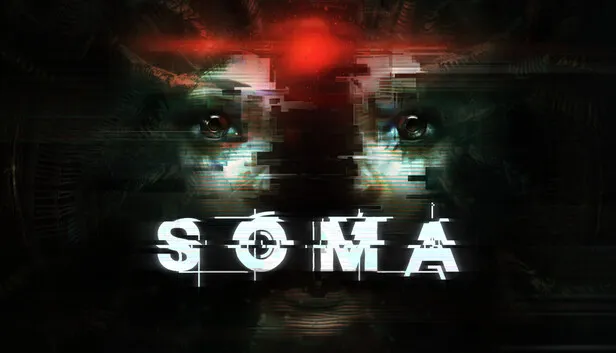
SOMA is a 2015 survival horror game from Frictional Games. The game follows Simon Jarrett, who finds himself on an underwater research facility under mysterious circumstances, containing machinery that exhibits human characteristics such as possessing personality and consciousness. He embarks upon discovering its history while trying to make sense of his predicament and potential future.
The game builds on the conventions established in Frictional Games’ previous horror titles, including an emphasis on stealthy evasion of threats, puzzle-solving, and immersion. However, it de-emphasizes aspects such as inventory management in favor of a tighter focus on narrative and character development. The underwater setting creates an atmosphere of isolation and dread, with environmental storytelling, audio logs, and effective sound design creating an immersive experience.
Many players find the monster encounters to be the weakest part of the experience, which Frictional Games addressed by adding a “Safe Mode” in 2017 that keeps the monsters but prevents them from killing the player, allowing players to focus entirely on the story and atmosphere.
The game’s ending is widely regarded as one of the most powerful in gaming history, leaving many players in a state of existential contemplation long after the credits roll. Despite receiving generally positive reviews and selling over 1 million copies on PC alone, SOMA remains relatively unknown compared to other horror games. Many players dismissed it as “just another Amnesia clone” or were put off by the monster sections, missing the profound journey at its core.
Prince of Persia (2008)
Release Date: 2008
Platforms: PC, PlayStation 3, Xbox 360
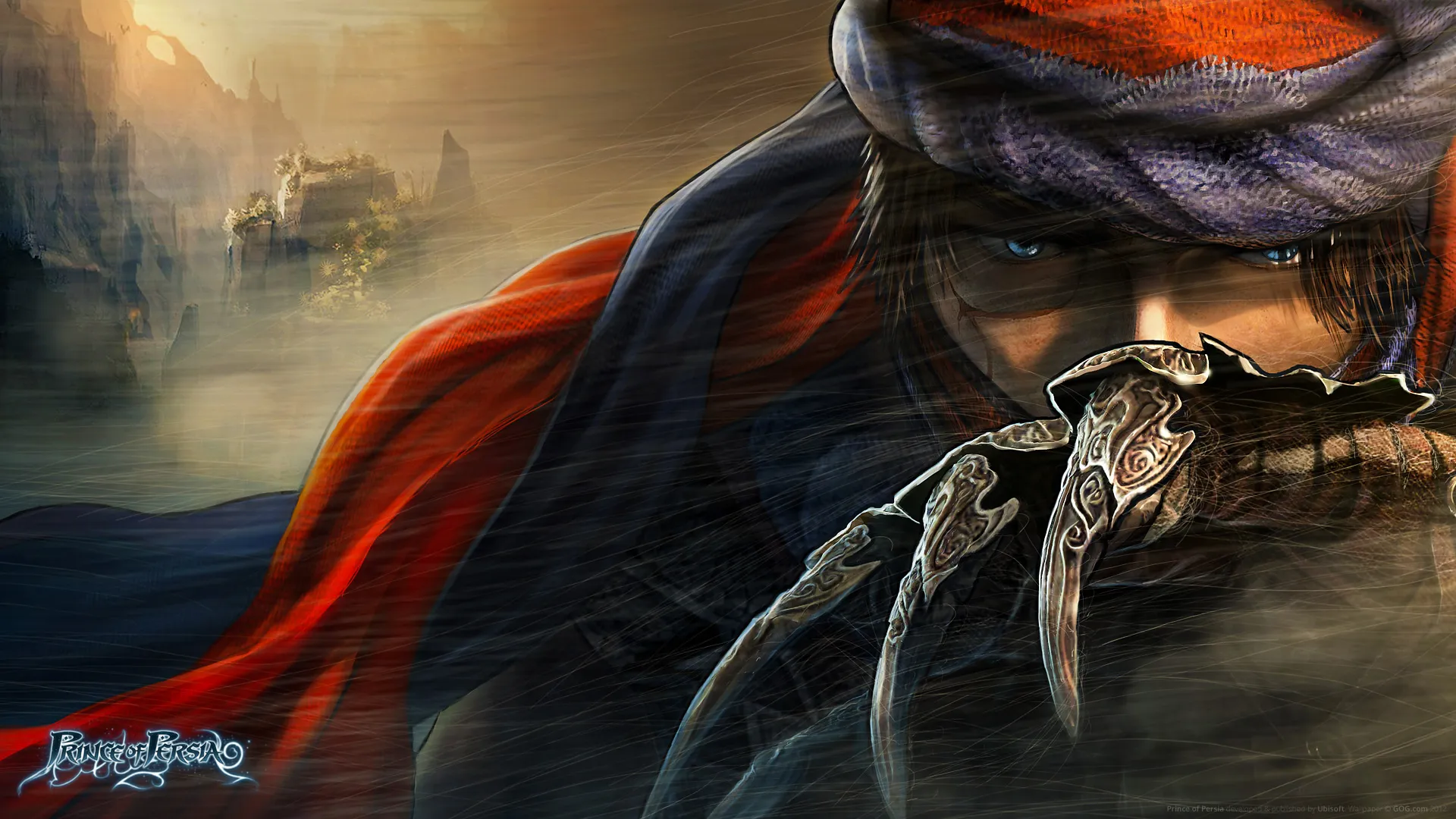
While titles like Prince of Persia: The Sands of Time and Prince of Persia: Warrior Within were more well-known, the alternate universe presented in this reboot was a criminally underappreciated entry to the franchise.
Ubisoft Montreal’s 2008 reboot took the series in a completely different direction, creating an entirely new continuity separate from the Sands of Time trilogy. Set in ancient Persia and heavily inspired by Zoroastrian mythology, the game follows an unnamed adventurer who teams up with the kingdom’s princess to re-imprison the evil entity Ahriman after he corrupts the land.
The game’s cel-shaded art style has aged remarkably well even after all this time. The watercolor-inspired visuals still looks beautiful today, proving that stylized graphics often hold up better than photorealistic ones. The partnership between the Prince and Elika is the game’s standout feature; she serves as both a narrative companion and gameplay mechanic, essentially replacing the Sands of Time rewind mechanic seen in past titles while also introducing entirely new abilities.
Despite receiving generally positive reviews and selling over 2.5 million copies, the game was largely forgotten due to its departure from the established formula. Fans of the original trilogy were resistant to change, and the cliffhanger ending left many wanting more.
TimeShift
Release Date: 2007
Platforms: PC, PlayStation 3, Xbox 360
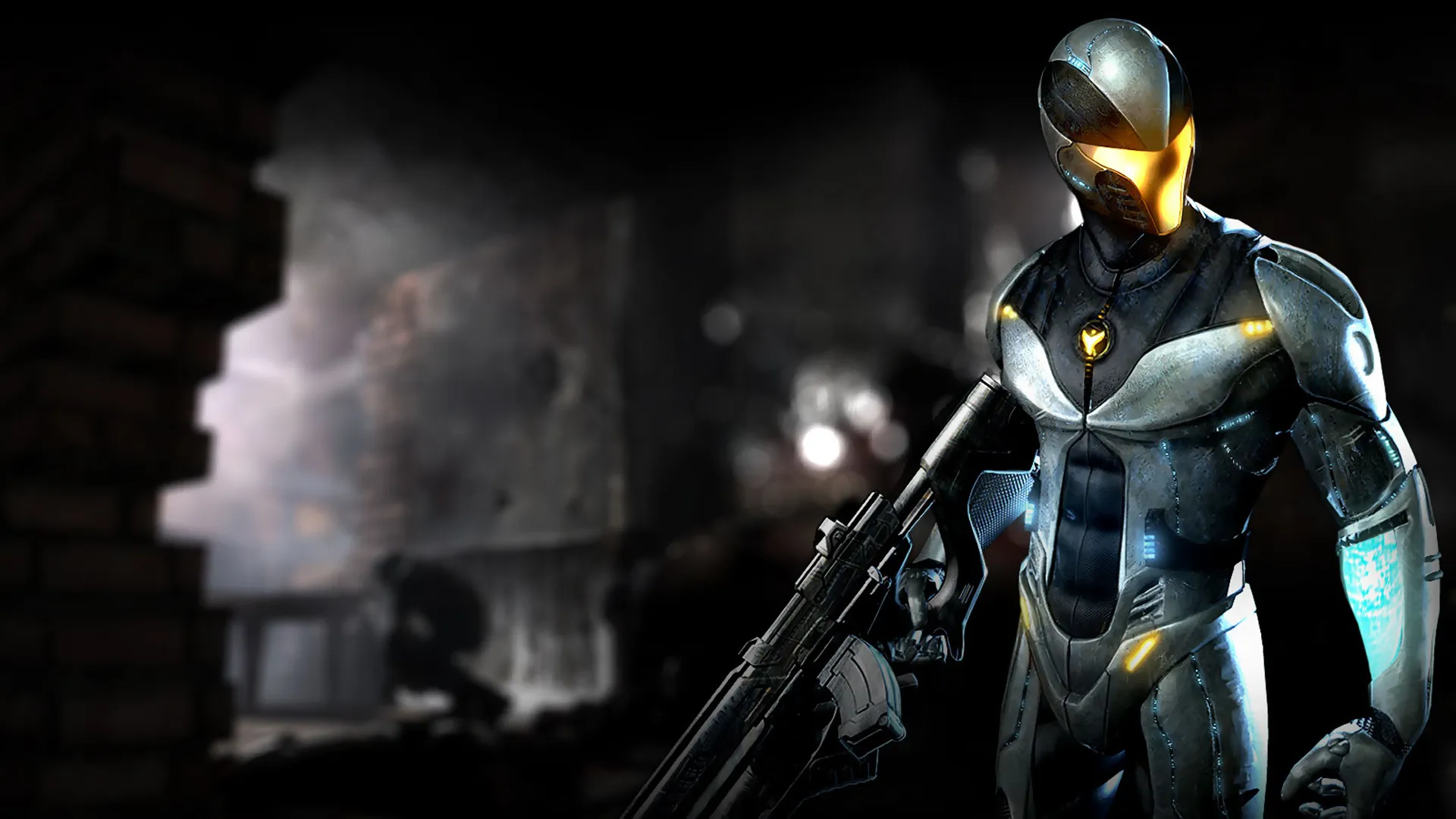
TimeShift is the perfect example of a game that suffered from development hell but still managed to deliver a memorable, if unpolished, experience. Originally announced by Atari before switching to Sierra, the game went through multiple delays and a complete overhaul that left it feeling like it didn’t quite know what it wanted to be.
The game follows an unnamed scientist who dons a Beta Suit to travel back to 1939 and stop Dr. Aiden Krone, who used time travel to create a dystopian world where he rules as a dictator. The setting is a fascinating mix of steampunk, dieselpunk, and sci-fi elements, creating a unique aesthetic that draws comparisons to Wolfenstein’s alternate history themes and FEAR’s atmospheric storytelling, making it a fitting title as a 7th generation shooter.
What makes TimeShift special is its time manipulation mechanics. Players can slow, stop, or rewind time at will, creating opportunities to dodge bullets, steal weapons, or solve puzzles. The combat itself is surprisingly tactical, with enemies that will flank you, take cover, and even beg for mercy when wounded. You can shoot weapons out of enemies’ hands or target specific body parts to affect their behavior.
Despite its flaws, including a somewhat generic plot and missed opportunities for more time-based puzzles, TimeShift remains a solid 7/10 experience that’s worth revisiting. It’s the kind of game that perfectly captures the mid-2000s FPS era, complete with all its quirks and charms.
Trackmania (2020)

Release Date: 2020
Platforms: PC, PlayStation 4/5, Xbox One/Series X/S
Trackmania (2020) is a high-quality arcade racing game that never achieved mainstream recognition. This French developer Nadeo title has been quietly building a dedicated community for nearly two decades, yet has remained largely unknown.
The game’s appeal lies in its deceptive simplicity. At first glance, it appears to be just another arcade racer with four basic controls, but beneath this accessible surface lies incredible depth with complex physics systems and countless micro-techniques.
What makes Trackmania special is its community-driven approach. Players can create, share, and compete on custom tracks using a robust track editor. The competitive scene features a unique “ghost racing” format where players compete against each other’s times rather than directly on the track. Community events like Deep Dip showcase the game’s creative potential and passionate player base.
Despite these strengths, Trackmania has struggled with limited marketing outside of Europe and a confusing release history. The subscription model has also been contentious while the base game is free-to-play, access to custom servers and track editor requires a paid subscription. However, for those who stick with it, Trackmania offers an incredibly rewarding experience that remains a hidden gem deserving far more recognition.
Kameo: Elements of Power

Release Date: 2005
Platforms: Xbox 360
Kameo: Elements of Power is one of those rare launch titles that actually delivered on its promise, yet somehow became forgotten in the annals of gaming history. Released alongside the Xbox 360 in 2005, this action-adventure game from Rare showcased the console’s graphical capabilities while offering a unique transformation-based gameplay mechanic that still feels fresh today.
The game follows Kameo, a young elf princess who can transform into ten different elemental warriors, each with their own distinct abilities and combat styles. From the fire-breathing Chilla to the plant-based Snare, each transformation offers a completely different approach to combat and puzzle-solving. The game’s bright, colorful aesthetic and orchestral soundtrack create a magical atmosphere that perfectly complements the fantasy setting.
What makes Kameo special is how well it balances accessibility with depth. The transformation system is intuitive enough for newcomers to grasp quickly, yet complex enough to reward experimentation. The game’s combat is satisfying without being overly challenging, making it perfect for players who want to enjoy the spectacle without getting bogged down in difficulty spikes.
Kameo’s success was ultimately limited by unfortunate timing and strategic decisions. Originally conceived as a Pokémon-style game for the Nintendo 64 and GameCube, Xbox, then eventually Xbox 360, it underwent a dramatic transformation when Microsoft acquired Rare in 2002. As a launch title competing against Perfect Dark Zero on the same day, it struggled to find its audience among Xbox’s core demographic. A planned sequel was canceled when Microsoft redirected Rare’s resources toward Kinect-based titles like Kinect Sports, leaving Kameo as a one-off gem that never got the chance to evolve. For anyone looking for a charming action-adventure with unique gameplay mechanics, Kameo is well worth revisiting.
Ninety-Nine Nights
Release Date: 2006
Platforms: Xbox 360
Ninety-Nine Nights is a fantasy hack-and-slash game that divided critics upon release. While some praised its epic battles and visual spectacle, others criticized its repetitive gameplay and lack of save points. Despite the mixed reception, it has maintained a passionate cult following nearly two decades later. Developed by Q Entertainment and Phantagram with only seven months of development time, this Xbox 360 exclusive offers a unique take on the musou formula.
The game’s premise centers around the eternal struggle between light and dark forces after a magical orb is shattered, creating 99 nights of perpetual darkness. Players control seven different characters, each with unique movesets and storylines, as they battle through massive armies of enemies.
The game features seven playable characters, though only Inphyy is available initially. Progressing through each character’s campaign unlocks additional characters, gradually revealing the full roster with their unique abilities and role within the story.
However, the game’s difficulty curve is notoriously brutal. Unlike Dynasty Warriors games that feature checkpoint saves, Ninety-Nine Nights requires players to complete entire levels in one go. Dying at a boss fight after 45 minutes of progress means starting the entire level over.
Ninety-Nine Nights may not have revolutionized the genre, but it’s an underrated title that provides solid entertainment for players who appreciate its distinctive approach to hack-and-slash gameplay.
Tiny Glade
Release Date: 2024
Platforms: PC
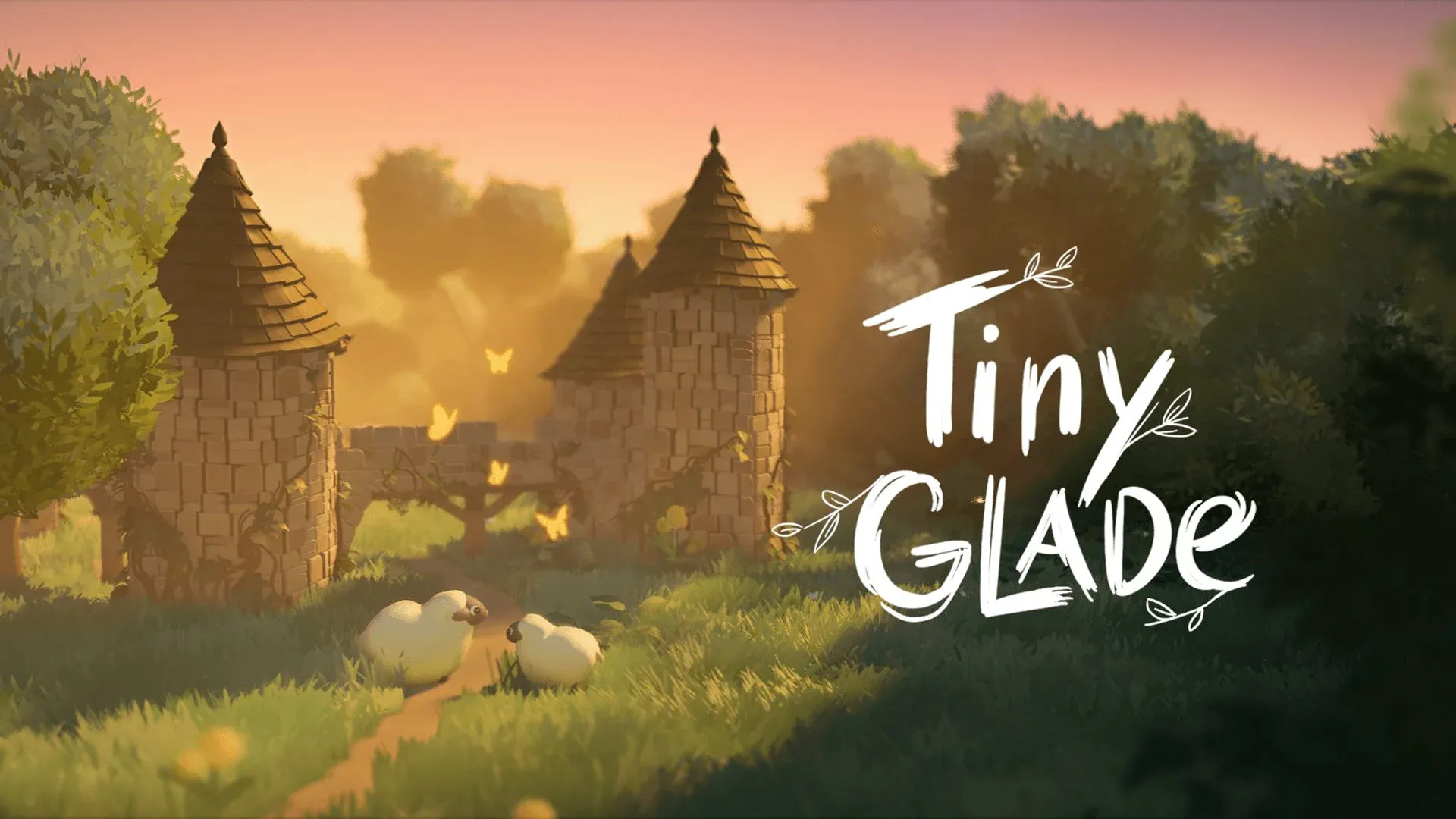
Developed by Swedish indie studio Pounce Light, this cozy diorama builder focuses entirely on the act of building medieval structures without any traditional gameplay elements. The game’s most remarkable feature is its procedural generation system that adapts in real-time to your creative choices. Drag a path up to a building, and a door automatically appears. Place windows next to each other, and they transform into bay windows. The system intelligently adapts to your choices, making every structure feel organic and natural.
However, this procedural approach comes with a significant limitation: to access all the different object types and geometries the system can generate, you often need in-depth knowledge of the game’s mechanics. The game doesn’t explicitly teach you how to trigger specific procedural variations, meaning you might miss out on certain building possibilities unless you experiment extensively or seek out community guides.
The game completely abandons conventional gameplay structure. No objectives, no resources, no enemies, no time pressure. You simply build medieval castles, cottages, and villages at your own pace. While players have created incredible builds like Helm’s Deep from The Lord of the Rings, the structures remain empty shells purely for display. No NPCs inhabit your world, no interactions beyond wandering sheep, no evolution of your settlements over time.
Tiny Glade appeals to players seeking a simple creative outlet, though unrewarding beyond personal satisfaction. The cozy aesthetic, satisfying sound design, and procedural magic create an almost therapeutic experience for those who enjoy the process of creation for its own sake.
Final Thoughts
These ten games represent just a fraction of the hidden gems that have been overlooked, misunderstood, or simply never found their audience. From the misunderstood brilliance of Spec Ops: The Line to the cult following that Days Gone has built over time, each title on this list offers something unique that mainstream gaming often overlooks.
What makes a game “underrated” isn’t always poor quality. Sometimes it’s timing, marketing, or simply being ahead of its time. Outer Wilds challenged conventional notions of progress in games, while SOMA delivered one of the most profound philosophical experiences ever created. Even games like Trackmania that have been around for decades continue to fly under the radar despite their incredible community culture.
The beauty of discovering underrated games is that they often offer experiences you can’t find anywhere else. Whether you’re looking for the time manipulation mechanics of TimeShift, the transformation mechanics of Kameo, or the calm creative freedom of Tiny Glade, there’s something here for every type of player.